
Free entry to 20+ attractions, unlimited transport, walking tours & save up to 50% on Budapest experiences

Pentecost Long Weekend in Budapest: Things to Do in and Around the City in 2026

Pentecost Long Weekend in Budapest: Things to Do in and Around the City in 2026

The Pentecost long weekend is one of the best times to explore Budapest at a slower, more experience-focused pace. In 2026, Pentecost falls on May 24–25, creating the perfect three-day mini getaway.

By the end of May, Budapest is full of life: outdoor terraces are busy again, open-air events are everywhere, and the weather is usually ideal for spending long days outside. Alongside the city’s classic attractions, this is also the perfect time to try something more memorable — like a scenic flight above Budapest, a helicopter tour, or an ATV quad adventure just outside the city.

Quick Tips for Pentecost Weekend in Budapest:

  • Best for: couples, city breaks, outdoor adventures
  • Average weather in late May: 22–26°C
  • Book helicopter tours and scenic flights early
  • Most tourist attractions stay open during the holiday weekend

Day 1 — Classic Budapest at a Relaxed Pace

Start your long weekend with Budapest’s most iconic sights, but without rushing from place to place.

Begin your morning on the Buda side:

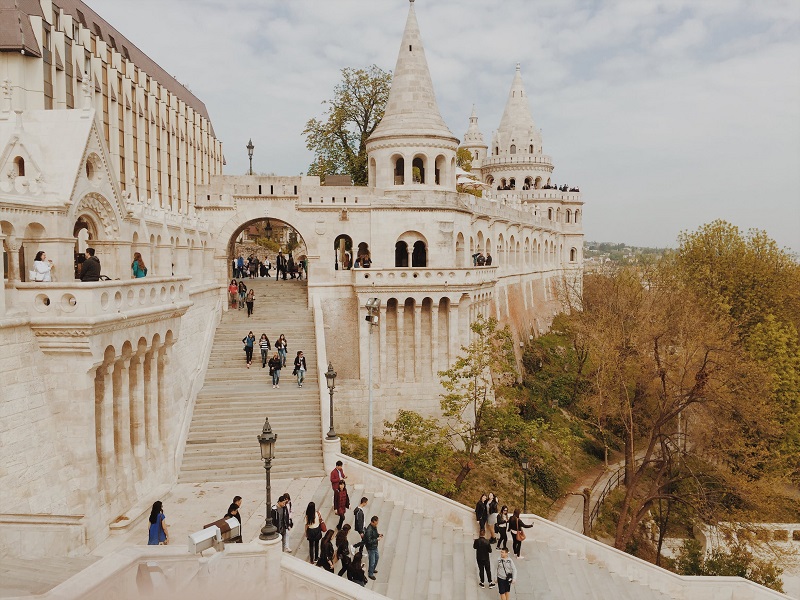
  • Fisherman’s Bastion
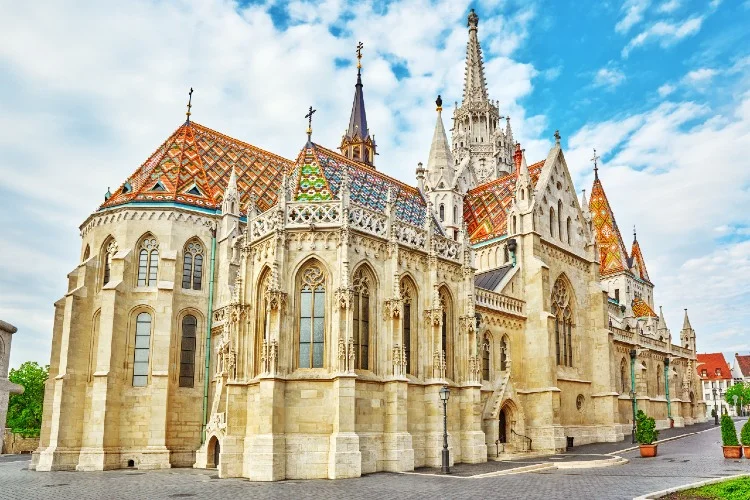
  • Matthias Church
  • Buda Castle District
  • Tóth Árpád Promenade

Early mornings are much quieter during holiday weekends, and the city feels especially peaceful before the crowds arrive.

Fisherman’s Bastion becomes noticeably busier after 10 AM during holiday weekends, so visiting early in the morning is usually the best option for quieter views and photos.

From there, take a slow walk toward the Chain Bridge and cross over to the Pest side. The Danube promenade becomes especially lively during long weekends, with outdoor cafés, pop-up events, and plenty of places to stop for a drink or coffee.

For lunch, great areas to explore include:

  • Bartók Béla Boulevard
  • Kálvin Square
  • Mikszáth Square

Evening Idea: Sunset by the Danube or a Rooftop Bar

One of the best things to do in Budapest during Pentecost weekend is simply enjoying the city around sunset.

  • rooftop bars
  • evening river cruises
  • walks along the Danube
  • Margaret Island

Many rooftop bars in Budapest require reservations during holiday weekends, especially on Saturday evenings.

If you want something even more special, there are still a few available spots for evening scenic flights above Budapest. Seeing the Parliament and the Buda skyline from the air at sunset is an unforgettable experience.


Day 2 — Adventure Experiences: Quad Tours, Helicopters & Scenic Flights

The Pentecost long weekend is the perfect opportunity to combine sightseeing with something more adventurous.

ATV Quad Tours Around Budapest

Late May is usually perfect for outdoor activities, which makes ATV quad tours especially popular during this time of year.

Around Budapest, you’ll find several exciting off-road routes featuring:

  • forest trails
  • hilly terrain
  • muddy tracks
  • scenic countryside views

There are still some available time slots for the holiday weekend, although these tours usually sell out quickly.

Quad tours are a great option for:

  • couples
  • groups of friends
  • team-building activities
  • active travelers looking for something different

especially if you want a break from traditional city sightseeing.


Book an ATV Quad Tour in Budapest

Helicopter Tours Above Budapest

If you’re looking for something truly unforgettable during your Budapest trip, it’s hard to beat the view from a helicopter.

Most helicopter sightseeing tours include aerial views of:

  • the Hungarian Parliament
  • Chain Bridge
  • Buda Castle
  • Citadel
  • Margaret Island
  • the curves of the Danube

On clear days, the scenery is absolutely spectacular.

Pentecost weekend is usually a busy period for helicopter tours, but there are currently still a few available spots across multiple time slots.

These experiences are especially popular:

  • as gifts
  • for couples
  • for first-time visitors
  • even for locals wanting to see Budapest from a new perspective


Book a Helicopter Tour in Budapest

Scenic Flights Above Budapest and the Danube Bend

Scenic flights offer a calmer and more nature-focused experience compared to helicopters.

Popular routes include:

  • Budapest panorama flights
  • the Danube Bend
  • the Pilis hills
  • the Visegrád region

By late May, the countryside is completely green, making this one of the most beautiful periods of the year to fly.

Sunset scenic flights are typically the first experiences to sell out during long weekends in Budapest.

There are still several available spots for both shorter and longer scenic flights during the Pentecost weekend.


Book a Scenic Flight in Budapest


Day 3 — Day Trips Around Budapest

Szentendre

Szentendre is especially charming during Pentecost:

  • cobblestone streets
  • riverside cafés
  • art galleries
  • small local shops
  • relaxing Danube walks

It’s also very easy to reach from Budapest by suburban train, making it an ideal car-free day trip.

Normafa and the Buda Hills

If you prefer nature and outdoor activities, the Buda Hills are always a great choice:

  • Normafa
  • Erzsébet Lookout Tower
  • János Hill
  • the Chairlift

During the Pentecost weekend, the area often hosts family-friendly outdoor events and local programs as well.

Pentecost Markets and Events in Budapest

Several themed events and seasonal markets usually take place across Budapest during the long weekend.

At Vörösmarty Square, visitors can often find:

  • traditional Pentecost markets
  • handicraft stalls
  • local food
  • outdoor cultural programs

The Svábhegy area also regularly hosts multi-day Pentecost festivals with:

  • folk dance events
  • live music
  • craft markets
  • family activities
  • traditional Hungarian cultural programs

Practical Tips for the Pentecost Weekend

What Should You Keep in Mind?

Pentecost Sunday and Monday are public holidays in Hungary.

This usually means:

  • some supermarkets may be closed
  • certain places operate on holiday schedules
  • public transportation may follow Sunday timetables

Most restaurants, cafés, and tourist attractions remain open, but booking in advance is highly recommended.

Should You Book Activities in Advance?

Definitely — especially for:

  • helicopter tours
  • scenic flights
  • ATV quad tours
  • Danube cruises
  • rooftop dinner reservations

The Pentecost weekend is one of the first major spring travel periods in Budapest, so popular experiences tend to fill up quickly.


Frequently Asked Questions

What can you do in Budapest during Pentecost?

Some of the most popular activities include:

  • outdoor events
  • Danube cruises
  • rooftop bars
  • thermal baths
  • sightseeing
  • day trips
  • adventure experiences like quad tours and scenic flights

Are Budapest thermal baths open during Pentecost?

Most thermal baths in Budapest remain open during public holidays, although some may operate with modified opening hours.

Is Pentecost a good time to visit Budapest?

Yes — many travelers consider it one of the best long weekends to visit Budapest because of:

  • pleasant spring weather
  • green parks and hills
  • outdoor events
  • fewer extreme summer temperatures
  • a lively but still comfortable atmosphere

Are there still available spots for experience programs?

At the moment, there are still some available places for:

  • ATV quad tours
  • helicopter sightseeing tours
  • scenic flights

but these experiences usually book out quickly as the holiday weekend approaches.

Looking for something more memorable this Pentecost weekend?

Budapest Experiences still has limited availability for ATV quad tours, helicopter sightseeing flights, and scenic flights during the holiday weekend.
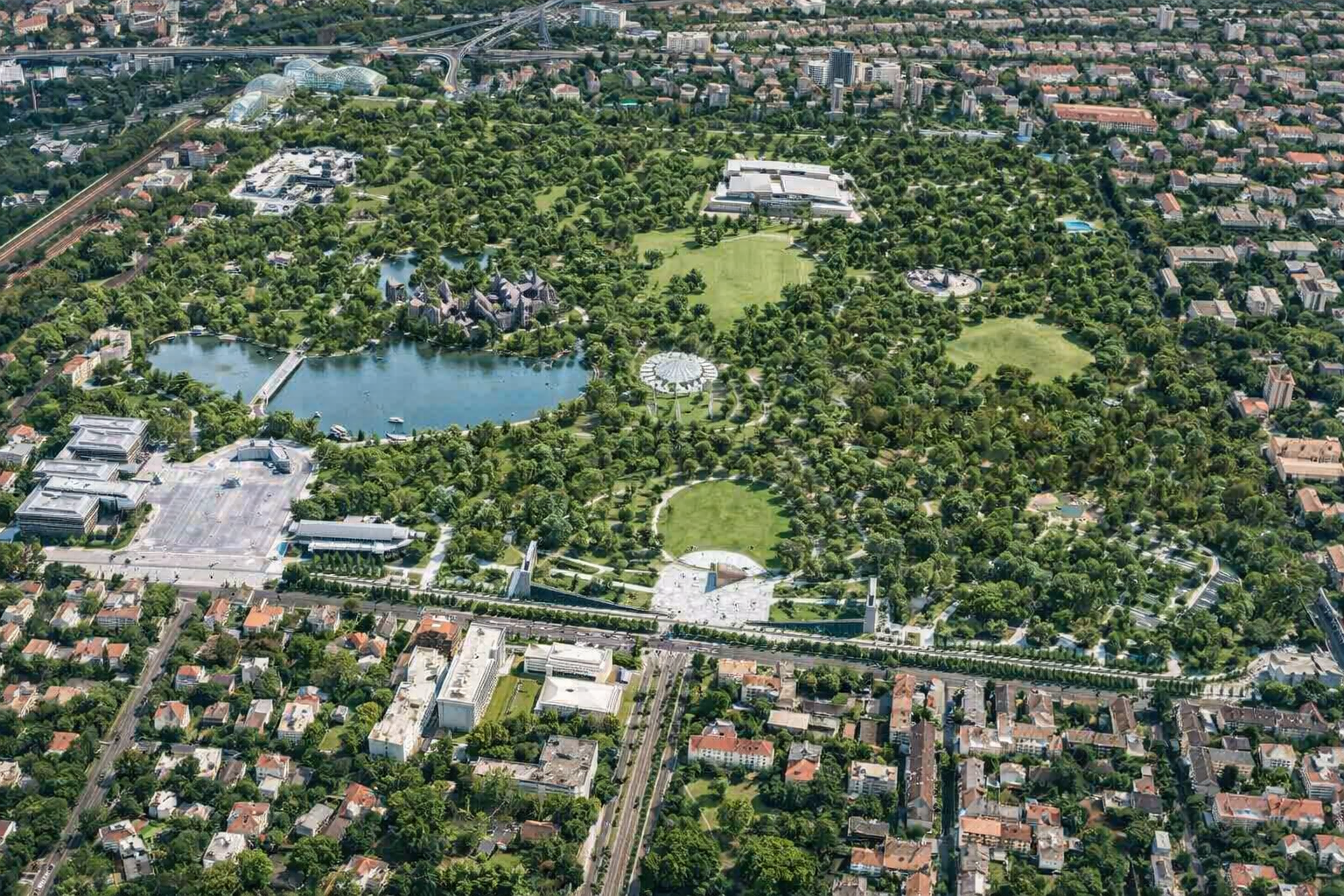
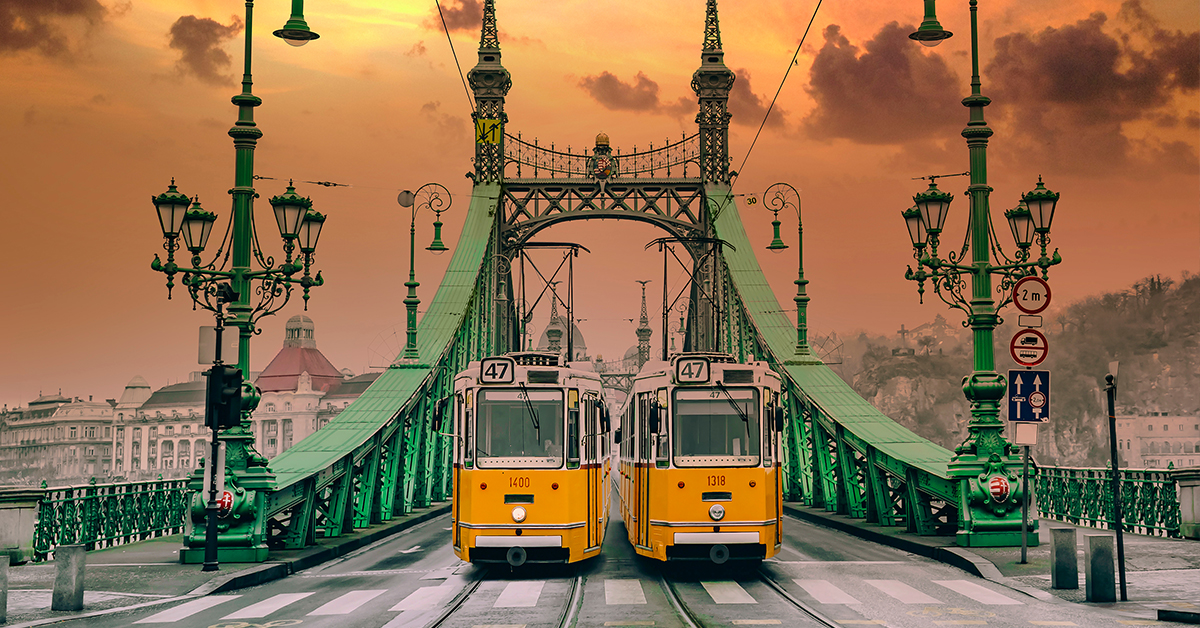
Explore Budapest Experiences

96 Hours in Budapest: A Relaxed Explorer Itinerary


96 Hours in Budapest: Relaxed Explorer Itinerary

Spending four full days in Budapest gives you the chance to explore the city at a slower pace. You can see the main landmarks, but also get lost in charming neighborhoods, museums, and even relax in a thermal bath. This itinerary is perfect for those who want to really feel the city without rushing and leave time for rest and repeated experiences.

Day 1 – Castle Hill & the Danube

  • Buda Castle DistrictThe Castle District is one of Budapest’s most iconic areas, with historic buildings, cobblestone streets, and stunning viewpoints. You can reach it from Clark Ádám Square by walking across the Chain Bridge or taking the Buda Castle Funicular. Explore Sándor Palace and Fisherman’s Bastion for panoramic views of the Danube and the Pest side. Matthias Church is also worth a visit, featuring intricate architecture and rich history. Stop at a café or small museum along the way for a short break and to soak in the atmosphere.
  • Chain Bridge & Riverside WalkThe Chain Bridge connects Buda and Pest and is a must-see. Walking across offers spectacular views of the Danube and the Parliament. The riverside promenade is perfect for photos, especially at sunset. Walk slowly, enjoy the scenery, and continue toward the city center near the Parliament. Notice the sculptures and monuments along the riverside for extra points of interest.
  • Evening Danube CruiseAn evening cruise on the Danube provides a completely different perspective of Budapest, as the illuminated landmarks create a magical atmosphere. Most docks are easily reachable from the city center, for example near Vigadó Square. Audio guides or informational panels usually explain the history and significance of the sights. Book tickets online in advance to avoid queues. The Parliament, Castle Hill, and bridges are especially stunning when lit up at night.

Day 2 – Museums & Cultural Experiences

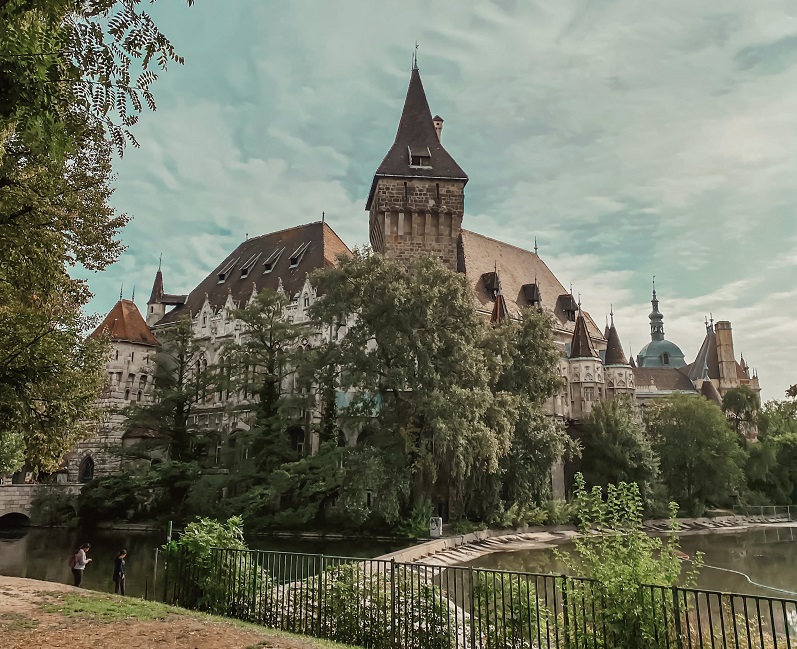
  • City Park & MuseumsCity Park is one of Budapest’s largest green spaces and is perfect for leisurely walks and cultural visits. It’s accessible via Hősök tere Metro Station (M1) or nearby tram lines. The Museum of Fine Arts and the Hungarian National Gallery feature impressive collections. Don’t miss Vajdahunyad Castle, the park’s central architectural highlight. The pathways and small lakes provide relaxing spots, and surrounding cafés are ideal for a coffee break.
  • Andrássy Avenue & SurroundingsAndrássy Avenue is a UNESCO World Heritage site, known for elegant architecture and cultural landmarks. Walk from Heroes’ Square or take Metro M1. Along the boulevard, see historic buildings, small galleries, and charming cafés. The State Opera House is a must-see. The combination of architecture, culture, and leisurely strolling makes this area a highlight of the day.
  • Café Culture & Local TreatsSpend the afternoon sampling Hungarian desserts like Dobos cake or chimney cake. Many cafés display local art or design exhibitions, providing a mix of culinary and cultural experiences. Take your time, enjoy the atmosphere, and watch the city’s rhythm. In the evening, the area is lively yet safe, ideal for a relaxed stroll.

Day 3 – Thermal Bath & Jewish Quarter

  • Széchenyi Thermal BathSzéchenyi Thermal Bath is one of Europe’s largest spa complexes, located in City Park. Accessible via tram 4-6 or Metro M1, it offers indoor and outdoor pools, saunas, and steam rooms for full relaxation. Arrive early to avoid crowds. The combination of historic architecture and wellness makes this a rejuvenating stop in your itinerary.
  • Jewish Quarter (District VII)The Jewish Quarter is one of Budapest’s most vibrant neighborhoods, blending history with contemporary culture. Explore Dob Street and Kazinczy Street on foot. Visit Europe’s largest synagogue, Dohány Street Synagogue. Check out ruin bars, street art, and small galleries. Enjoy a local café or street-side treat while absorbing the area’s atmosphere. History, art, and gastronomy combine to make this district unforgettable.

Day 4 – Óbuda & Aerial Views

  • Exploring ÓbudaÓbuda is one of Budapest’s oldest neighborhoods, offering a calm and authentic atmosphere. Accessible by tram 3 or the HÉV suburban train, wander its narrow streets, visit the main square, and explore scattered Roman ruins. Stop at a local café for a morning coffee or snack. Óbuda is perfect for a relaxed, slower start to your day away from busy tourist areas.
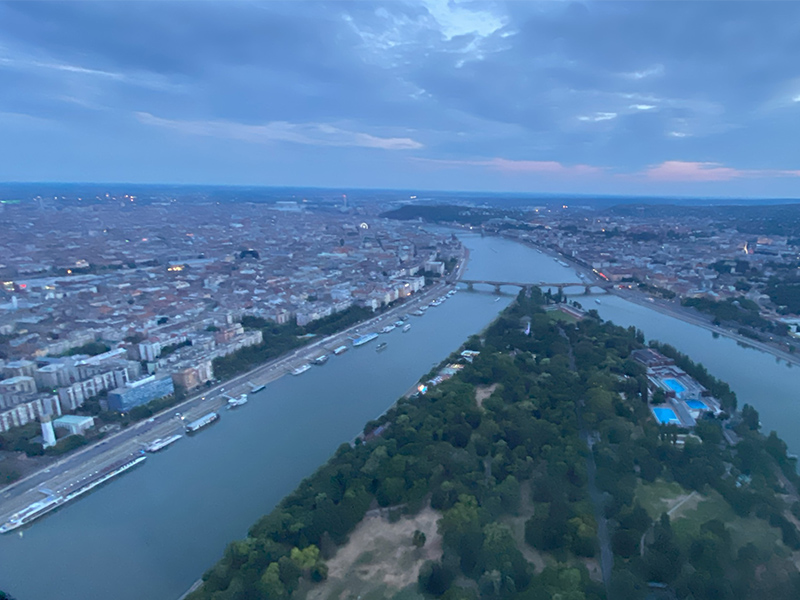
  • Budapest from the AirFinish your trip with a sightseeing flight over Budapest for breathtaking views of the Danube, bridges, and historic districts. The airport is easily reachable via taxi or transfer from the city center. Clear weather provides the best views, letting you recognize landmarks and neighborhoods you’ve explored. This aerial perspective is a memorable way to end your 4-day Budapest adventure.

Summary

This four-day itinerary combines Budapest’s main attractions with hidden gems, cultural experiences, and opportunities for relaxation. Moving at a slower pace lets you fully appreciate the city’s charm and create memories beyond the typical tourist route. By mixing sightseeing, leisurely walks, museums, thermal baths, and local treats, this itinerary offers a rich and immersive experience of Budapest.

Things to do in Budapest

How to Make the Most of Exploring Budapest

Budapest is rich in history, diverse cultural offerings, and unique attractions, which can make it difficult for visitors to decide what to see first. The city is divided into two parts: Buda and Pest, each offering different experiences. This article will help you get an overview, provide planning tips, and prepare you to later enjoy the city from above with a sightseeing flight.

Culture and History

Budapest’s history and architectural heritage are incredibly rich. If you are interested in the past, it is worth visiting the following sites and learning some interesting facts about them:

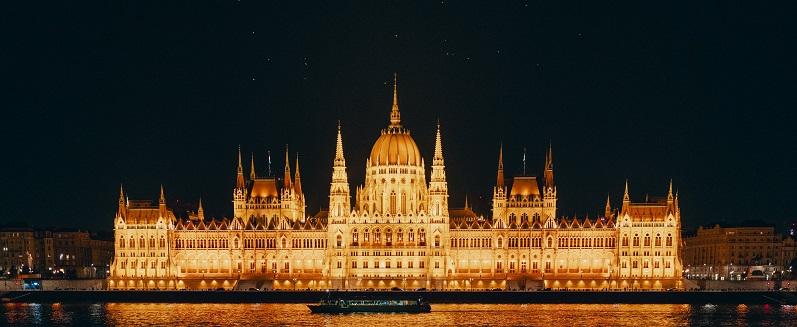
  • Parliament Building
    • Architectural style: Neo-Gothic, built in the late 19th century.
    • Interesting fact: Its dome is the highest point in Hungary, and the building has more than 690 rooms.
    • Historical significance: Seat of the Hungarian legislature, symbolizing independence and national identity.
    • Unique feature: The facade features portraits of Hungarian kings and historical figures.
  • Buda Castle District
    • Construction began in the 13th century and was rebuilt several times over the centuries.
    • Historical significance: Served as a royal palace, military fortress, and cultural center.
    • Cultural value: Today, museums, galleries, and historic streets provide stunning views and experiences.
    • Unique feature: The cobblestone streets and historic buildings transport visitors back in time.
  • Matthias Church
    • Construction: Founded in the 12th century, it took its current form in the late 19th century.
    • Interesting fact: Many royal weddings and coronations took place here.
    • Architectural style: A mix of Gothic and Neo-Gothic elements with richly decorated interiors.
    • Unique feature: The colorful roof tiles and ceiling paintings are particularly famous.
  • Fisherman’s Bastion
    • Construction: Built between 1895–1902, in memory of the medieval city walls.
    • Interesting fact: Named after the medieval fishermen’s guild that defended the city walls.
    • Cultural significance: Panoramic viewpoint over the Danube and the Pest side, a famous photo spot.
    • Unique feature: The towers and terraces were built in a romantic, fairy-tale style.
  • National Museum
    • Founded: Opened in 1802, a central hub for Hungarian history and culture.
    • Interesting fact: The building is designed in a neoclassical style, with a monumental facade and stairs.
    • Cultural significance: Showcases Hungary’s history, archaeological finds, and art collections.
    • Unique feature: The museum garden and surroundings were sites of historical events, such as the 1848–49 revolution.
  • Tropicarium
    • Opened: The country’s largest tropical aquarium, with modern exhibits.
    • Interesting fact: Visitors can see a shark tank and a variety of exotic marine life.
    • Cultural significance: Educational center where visitors learn about tropical ecosystems up close.
    • Unique feature: Interactive exhibits and special aquariums make the visit an experience.

Entertainment and Active Leisure

  • Széchenyi Thermal Bath – One of Europe’s largest bath complexes, with indoor and outdoor pools where locals and tourists alike relax. Located near Hősök tere metro station (M1).
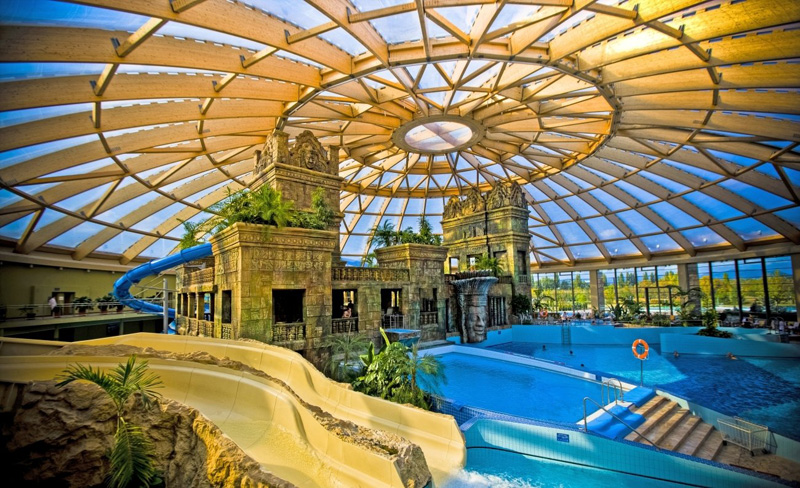
  • Aquaworld Budapest – Indoor water park with slides and wellness areas, fun for families and young people. Easily accessible by metro and bus in the southern part of the city.
  • Danube Promenade – Walk along the Pest side of the river to admire the bridges, modern and historic buildings, the Parliament, Chain Bridge, and Citadel. A must for photographers.
  • Andrássy Avenue and the Opera House – Elegant avenue with cafés, boutiques, and historic buildings. Watching an opera performance is a unique cultural experience.
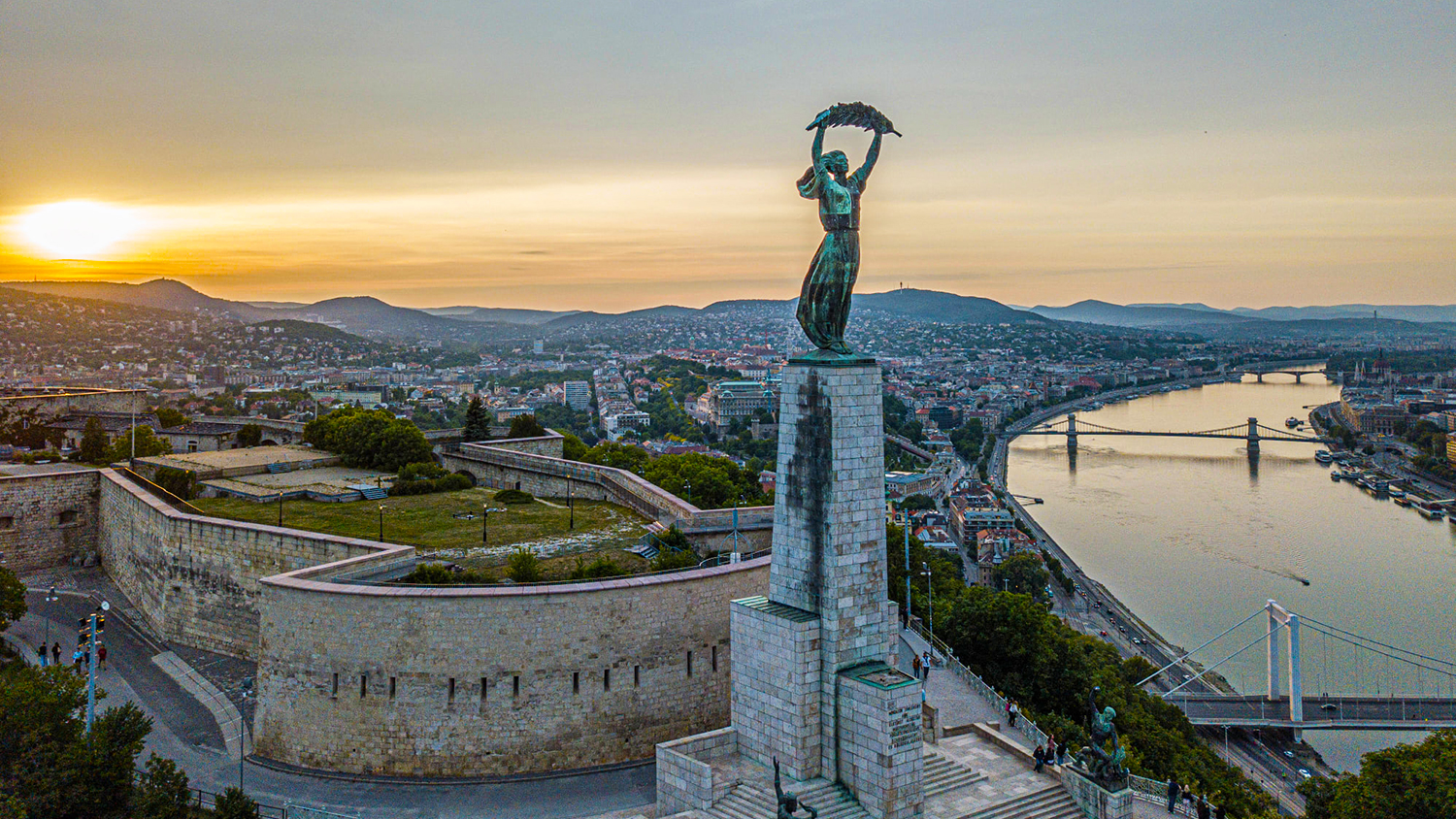
  • Gellért Hill and Citadel – Short hike with stunning panoramic views of the city. Especially beautiful at sunset.

Culinary Experiences

Budapest’s cuisine is famously diverse, from traditional dishes to modern street food.

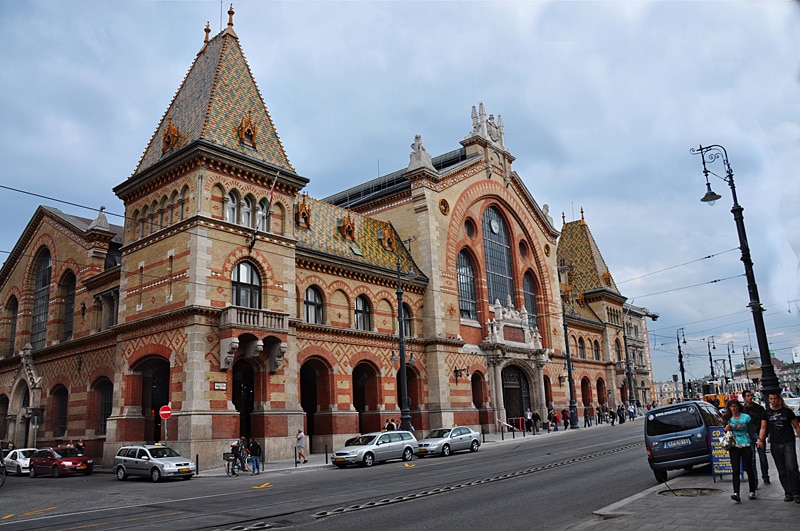
  • Central Market Hall – Traditional Hungarian foods and handmade products in one place, near Fővám tér metro station (M4). Be sure to try kürtőskalács, lángos, and sausages.
  • Ruin Pubs – Downtown ruin pubs like Szimpla Kert offer not only drinks but also urban culture. Easily reached from Blaha Lujza tér metro station.
  • Gundel Restaurant – Classic Hungarian cuisine in an elegant setting, famous for goulash, Hortobágyi pancakes, and somlói galuska.
  • Menza and Borkonyha – Restaurants around Liszt Ferenc Square serving modern Hungarian dishes and local wines, popular with international visitors.
  • Café Kör and downtown cafés – Ideal for coffee, breakfast, and pastries during sightseeing breaks.
  • Street food options – Kürtőskalács, lángos, and sausages in the city center for a quick, traditional Hungarian snack.

Common Misunderstandings About Exploring the City

Many people underestimate the distances in the city or try to see too many places in one day. Remember, Budapest is split into Buda and Pest, and crossing the Danube takes time. Public transport is efficient, but it’s worth walking to explore smaller streets, cafés, and hidden corners.

3-Day Friendly Budapest Itinerary

If you have three days to explore the city and want to take a relaxed, friendly pace, here’s a suggestion:

  • Day 1 – History and Panoramas: Explore the Buda Castle District, visit Fisherman’s Bastion and Matthias Church. In the afternoon, stroll to the Parliament, then along the Pest riverside and Chain Bridge. Evening coffee or ice cream in the downtown area, maybe a short walk along the Danube.
  • Day 2 – Fun and Flavors: Start at the Central Market Hall, enjoy traditional Hungarian breakfast or street food. Afternoon at Tropicarium or Aquaworld Budapest for an active experience. Evening relaxation at a ruin pub, dinner at Menza or Borkonyha, or a walk around Liszt Ferenc Square.
  • Day 3 – Thermal Baths and Views: Morning at Széchenyi Thermal Bath to relax, then Andrássy Avenue and Café Kör for coffee. Afternoon exploring Gellért Hill, Citadel, and Margaret Island by bike or on foot.

If you’re interested in a more detailed itinerary that you can comfortably follow at a relaxed pace during a three-day stay, click the link below: https://staging.budapestexperiences.com/?p=3025&preview=true

If you want to enrich your sightseeing experience with something truly special, you can take a helicopter or Cessna sightseeing flight over Budapest. From above, you can enjoy stunning views of the Parliament, Margaret Island, the bridges, and the winding Danube, and even explore the Danube Bend. This perspective offers a completely new way to experience the city’s beauty.

How to spend 3 days in Budapest ?

3 Days in Budapest: A Guide for First-Time Visitors with Detailed Attractions

Budapest offers rich history, stunning panoramas, and diverse urban experiences for first-time visitors. If you have only three days in the city, it is worth planning your itinerary carefully to explore all the key sites while leaving time for relaxation and spontaneous experiences.


Day 1 – History and Iconic Panoramas in Buda and Pest

Buda Castle District

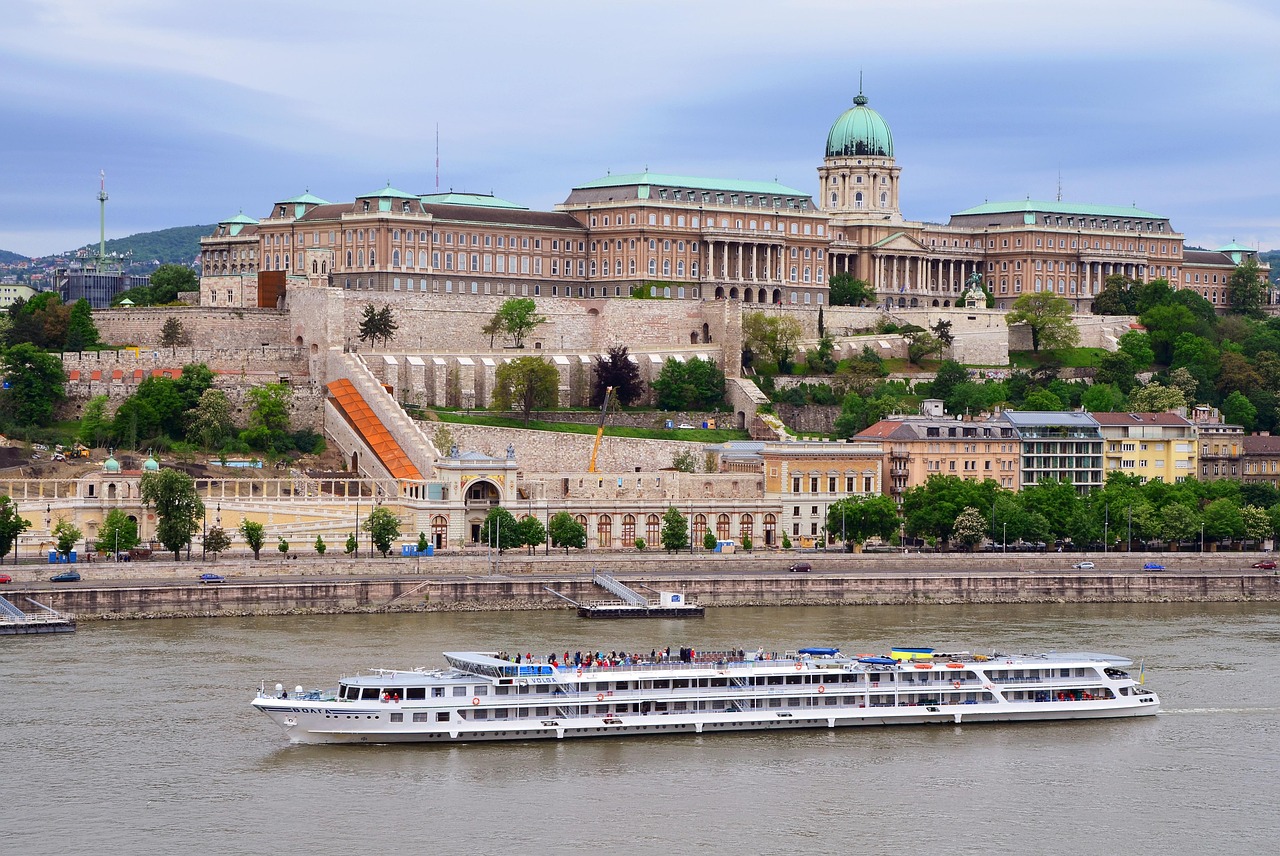
The Buda Castle District is located in the historical heart of Budapest and is part of the UNESCO World Heritage. Its Baroque and medieval buildings, along with cobbled streets, offer a true journey back in time. Within the district, you can find the Buda Castle, which hosts several museums and cultural institutions. From the castle, visitors can enjoy unparalleled views of the Danube and Pest city center. Most attractions are open from 10:00 to 18:00, allowing flexibility for visitors. The area is especially appealing for photography and leisurely strolls.

Vajdahunyad Vár Budapest

Fisherman’s Bastion

Fisherman’s Bastion is one of Budapest’s most famous lookout points, known for its romantic towers and terraces. Built in a Neo-Romanesque style at the end of the 19th century, it commemorates the city’s history. The upper terrace offers extraordinary views of the Parliament and the Danube, making sunrise and sunset visits particularly special. Most parts of the bastion are open all day, with upper levels accessible from 9:00 AM until evening. Visitors often enjoy the panorama alongside a coffee while taking in the historical atmosphere.


Matthias Church

Matthias Church is one of Budapest’s most beautiful Gothic churches, featuring richly decorated roof tiles and interior frescoes. It has hosted numerous royal coronations and significant state events. The church houses a museum and a treasury, providing insight into Hungarian history. Generally open Monday to Saturday from 9:00 to 17:00, with Sunday hours following religious services. The visit is particularly engaging for those interested in historical architecture and detailed decorations.

Hungarian Parliament

The Hungarian Parliament is a Neo-Gothic architectural masterpiece and one of Europe’s largest legislative buildings. Its dome and ornate decorations are a striking sight from the Danube promenade. Guided tours are available inside, showcasing the Holy Crown and key historical documents. Visits require prior ticket purchase and usually run from 8:00 to 18:00. Tours also provide context about important moments in Hungarian history.


Chain Bridge and Pest Danube Promenade

The Széchenyi Chain Bridge is Budapest’s first permanent bridge connecting Buda and Pest. It is especially spectacular when illuminated at night and offers excellent photo opportunities. Walking along the Pest promenade provides beautiful views of the Buda hills and the Castle. The area features numerous cafes and restaurants. Strolling here is enjoyable at any time, with sunset offering a particularly atmospheric experience.

Budapest Experiences

Day 2 – Gastronomy and Urban Experiences

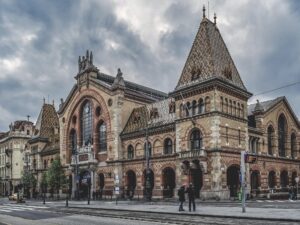
Central Market Hall

The Great Market Hall is Budapest’s largest indoor market, offering fresh local products and traditional Hungarian dishes like goulash, lángos, and chimney cake. The building itself, with its colorful roof, is an architectural attraction. Opening hours are Monday to Friday 6:00–18:00, and Saturday 6:00–15:00. The market is also a great spot for souvenir shopping, with the morning hours being the most vibrant.

Tropicarium

The Tropicarium is a tropical aquarium featuring sharks, exotic fish, and reptiles. Visitors can walk through an underwater glass tunnel, creating an immersive experience. It is open year-round, generally from 10:00 to 20:00. This attraction provides a unique opportunity to explore tropical wildlife in the heart of Budapest and can easily be combined with nearby sights.

Aquaworld Budapest

Aquaworld Budapest is a large indoor water park with slides, wave pools, and a wellness section. Open daily from 10:00 to 21:00, it is ideal for families and those seeking active relaxation. The tropical ambiance and indoor facilities make it an appealing choice even in bad weather, offering a refreshing break from sightseeing.

Szimpla Kert and Liszt Ferenc Square

Szimpla Kert is Budapest’s most famous ruin bar, attracting visitors with its bohemian atmosphere and unique decor. It is open from afternoon until early morning and offers insight into local culture. Nearby Liszt Ferenc Square is elegant, with cafes and restaurants, and live music often heard from the Academy of Music. These spots provide a distinctive urban experience beyond typical tourist routes.

Day 3 – Baths, Nature, and Panoramas


Széchenyi Thermal Bath

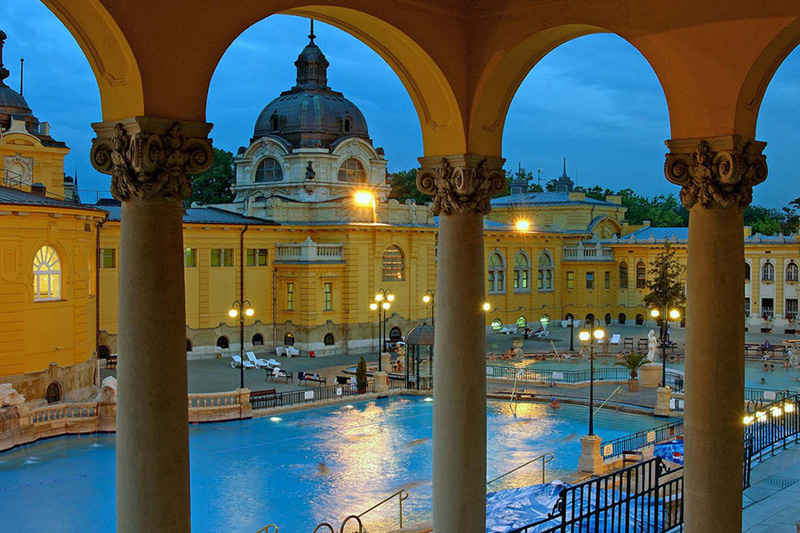
Széchenyi Thermal Bath is one of Europe’s largest thermal bath complexes, with both outdoor and indoor pools. The Neo-Baroque complex is open from 7:00 to 20:00. The medicinal waters and wellness facilities offer a special relaxation experience. Visitors can enjoy the outdoor pools throughout the year. The bath has a long history and is one of Budapest’s most iconic attractions.

Andrássy Avenue and Gellért Hill

Andrássy Avenue is an elegant boulevard lined with palaces, fashion stores, and museums, including the Opera House, which is often open to visitors. Gellért Hill provides panoramic views over the entire city, with the historic Citadella fortress adding a unique touch. The climb is a bit steep but worth the effort. Many visitors schedule their evening on the hill to enjoy the sunset views.

Margaret Island

Margaret Island is a green oasis in the middle of the Danube, featuring running tracks, parks, and a musical fountain. Easily explored by bike or on foot, it is ideal for a peaceful break from the city bustle. The island also has a small zoo and an open-air bath, making it particularly attractive for families. Its calm and nature-oriented atmosphere offers a relaxing experience for all visitors.

Summary

This three-day Budapest itinerary balances culture, relaxation, and urban experiences. Detailed planning and opening hours help visitors make the most of their time. For those looking to explore the city from a special perspective, such as panoramic or aerial views, it is worth checking the Budapest Experiences website, which offers further guidance and suggestions for an unforgettable visit.

48 Hours in Budapest: The Ultimate Weekend Essentials Guide

48 Hours in Budapest: The Ultimate Weekend Essentials Guide

Budapest is one of Europe’s most rewarding weekend break destinations. With just 48 hours in the Hungarian capital, you can experience thermal baths, world-class architecture, rich history, vibrant gastronomy, and a magical evening Danube cruise. This carefully planned two-day itinerary helps first-time visitors see the best of the city without feeling rushed.


Day 1 – Thermal Baths, History & Iconic Views

Start Your Weekend at Széchenyi Thermal Bath

No weekend in Budapest is complete without visiting Széchenyi Thermal Bath, one of Europe’s largest and most famous thermal bath complexes. Located in City Park, this Neo-Baroque spa features outdoor and indoor pools, saunas, steam rooms, and medicinal thermal waters.

Arrive in the morning to avoid peak crowds and enjoy a relaxing soak before your sightseeing begins. The outdoor pools are open year-round, even in winter, creating a uniquely atmospheric experience. Plan to spend 2–3 hours here to fully unwind.


Explore Buda Castle District

After relaxing at the baths, head to the historic Buda Castle District, a UNESCO World Heritage area filled with cobbled streets and medieval charm.

From the castle terraces, you’ll enjoy panoramic views over the Danube and the Pest side of the city. The area is perfect for photography and leisurely exploration. Key highlights include the castle courtyards, museums, and scenic viewpoints.

Plan approximately 1.5–2 hours to explore the district comfortably.


Fisherman’s Bastion & Matthias Church

A short walk from the castle brings you to Fisherman’s Bastion, one of Budapest’s most iconic viewpoints. Its fairytale towers offer stunning views of the Hungarian Parliament and the Danube.

Next door, Matthias Church impresses visitors with its colorful tiled roof and Gothic interior. If time allows, step inside to admire the detailed frescoes and historical exhibitions. Together, these landmarks provide a perfect introduction to Budapest’s architectural beauty.


Evening Danube Cruise

End your first day with a memorable evening Danube cruise. As the sun sets, Budapest’s illuminated skyline transforms into one of Europe’s most beautiful night panoramas.

You’ll glide past the Parliament, Chain Bridge, Buda Castle, and Gellért Hill, all beautifully lit after dark. Cruises typically last 60–90 minutes and provide excellent photo opportunities. For a special touch, choose a cruise that includes a welcome drink or dinner option.

This experience perfectly captures why Budapest is often called the “Paris of the East.”


Day 2 – Culture, Markets & Urban Atmosphere

Hungarian Parliament or House of Music Hungary

Start your second day with one of Budapest’s top cultural attractions.

The Hungarian Parliament is one of Europe’s most impressive legislative buildings. Guided tours showcase the Holy Crown and grand interiors. Advance ticket booking is highly recommended.

Alternatively, visit the modern House of Music Hungary in City Park for an interactive cultural experience combining architecture, music, and technology.

Plan 1–1.5 hours for your chosen visit.


Central Market Hall & Hungarian Flavors

Next, head to the Central Market Hall, Budapest’s largest indoor market. Here you can taste traditional Hungarian dishes such as goulash, lángos, chimney cake, and local sausages.

The market is also an excellent place to buy paprika, Tokaji wine, or handmade souvenirs. Morning hours offer the liveliest atmosphere.


St. Stephen’s Basilica & Andrássy Avenue

Visit St. Stephen’s Basilica, one of the most important churches in Hungary. Climb to the dome terrace for a 360-degree view over Budapest.

Afterwards, stroll along elegant Andrássy Avenue, lined with historic mansions, designer shops, and cultural institutions. This boulevard connects the city center with Heroes’ Square and offers a pleasant urban walking experience.


Optional Add-Ons for Your Weekend

If you have extra time during your 48-hour stay, consider adding:

  • Margaret Island for a relaxing walk or bike ride
  • A ruin bar visit in the Jewish Quarter
  • A panoramic viewpoint at Gellért Hill
  • An adventure or sightseeing experience for a unique perspective

These additions allow you to personalize your weekend according to your interests.


Suggested 48-Hour Structure at a Glance

  • 1 Thermal Bath Experience
  • 2–4 Museums or Major Attractions
  • 1 Evening Danube Cruise
  • Local Gastronomy & City Walks

This balance ensures relaxation, culture, sightseeing, and unforgettable views — all within a single weekend break.


Summary

Spending 48 hours in Budapest offers the perfect mix of wellness, culture, gastronomy, and iconic panoramas. From soaking in thermal waters to cruising along the Danube at night, this weekend essentials itinerary captures the true spirit of the Hungarian capital.

For travelers looking to enhance their stay with panoramic, adventure, or exclusive activities, explore additional curated options on the Budapest Experiences website and turn your city break into an unforgettable journey.

What to See at Budapest Zoo (Top Highlights)

budapest zoo highlights

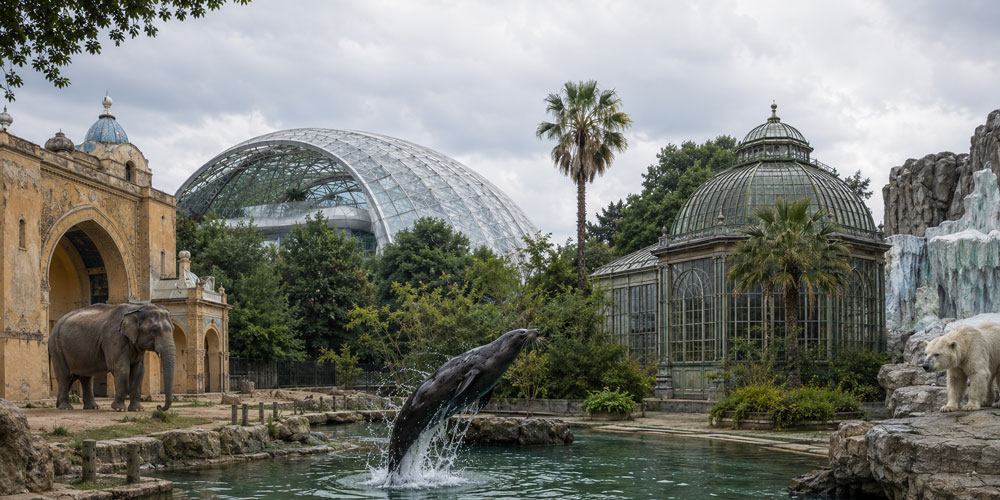
If you are planning a visit and wondering what to see Budapest Zoo, it helps to know which attractions are truly worth prioritizing. Budapest Zoo is one of the oldest zoos in Europe and combines historic architecture with modern animal habitats. While the zoo houses hundreds of species, several locations consistently stand out as the main Budapest Zoo highlights. From the spectacular Elephant House to the iconic polar bears and the tropical Palm House, these areas offer the most memorable experiences for visitors.
The zoo is located in Budapest’s City Park and covers a fairly large area, which means it can easily take half a day to explore in detail. However, many visitors only have a few hours available. Knowing the key highlights allows you to focus on the most interesting parts of the zoo without feeling rushed.
The following guide introduces the most important attractions visitors should not miss. These exhibits combine impressive animals, unique architecture, and interactive experiences that make Budapest Zoo a memorable stop for families, couples, and wildlife enthusiasts alike.

Pair this attraction with Budapest Card

Combine your Budapest Zoo visit with a Budapest Card to enjoy even more of the city’s top attractions and save on your booking!

You can also purchase your Budapest Zoo tickets directly through us and support a local Budapest business with your booking.

Elephant House

The Elephant House is one of the most iconic buildings in Budapest Zoo and a highlight that almost every visitor stops to see. Built in the early twentieth century, the structure is famous for its ornate architecture inspired by Middle Eastern and Indian design. With its decorated dome and detailed façade, it looks more like a palace than a traditional zoo building.

Inside and around the building, visitors can observe Asian elephants in a spacious habitat that includes both indoor and outdoor areas. Watching elephants move, interact with each other, or play with objects is often one of the most memorable experiences for children visiting the zoo.
Beyond the animals themselves, the building is also a piece of historical architecture. It reflects a time when zoological gardens were designed as cultural attractions as much as animal collections. Today it remains one of the most photographed structures inside the zoo.

One of the most beautiful historic buildings in the zoo

Home to Asian elephants

Great viewing opportunities both indoors and outdoors

Biodome


The Biodome is one of the most ambitious projects connected to Budapest Zoo. The huge structure was designed as an indoor ecosystem complex where visitors could experience tropical environments and observe animals in immersive habitats.
The concept behind the Biodome is to create a climate-controlled space that recreates ecosystems such as rainforests or wetlands. Instead of traditional enclosures, visitors move through environments designed to feel natural and alive with plants, humidity, and wildlife.
Even from the outside, the massive curved structure stands out as one of the most modern architectural elements in the zoo. It represents Budapest Zoo’s attempt to combine its historic heritage with contemporary conservation and educational ideas.One of the largest development projects in the zoo
Designed as an immersive ecosystem environment
Modern architecture contrasting with historic buildings
Expected to become a major Budapest Zoo attraction

Seal Show

The seal presentation is one of the most entertaining experiences at Budapest Zoo. These scheduled demonstrations allow visitors to watch seals swim, dive, and interact with trainers while learning about marine life and conservation.
The animals move incredibly fast through the water, often surprising visitors with their agility and playful behaviour. Children especially enjoy these shows because of the lively atmosphere and the close interaction between animals and trainers.
Because the demonstrations take place at specific times during the day, it is a good idea to check the daily schedule when you arrive. Planning your route around the seal show can add a fun highlight to your visit. One of the most popular activities for families

  • Combines entertainment and education
  • Great opportunity to learn about marine animals
  • Scheduled presentations during the day
  • Palm House

    The Palm House is another architectural treasure inside Budapest Zoo. This elegant glass structure resembles the classic botanical conservatories found in many European cities. Walking inside feels like entering a tropical greenhouse filled with lush vegetation.
    The building houses exotic plants, aquariums, reptiles, amphibians, and various tropical species. The warm environment and dense greenery create a completely different atmosphere compared to the outdoor zoo areas.
    For visitors interested in photography or architecture, the Palm House is one of the most visually impressive spots in the zoo. The natural light passing through the glass roof creates beautiful reflections and shadows.

  • Historic glass conservatory building
  • Tropical plants and indoor animal exhibits
  • Aquariums and reptile habitats
  • One of the most atmospheric parts of the zoo
  • Polar Bear

    The polar bear enclosure is one of the most visited animal habitats in Budapest Zoo. Polar bears are among the most impressive predators in the animal kingdom, and seeing them up close is a memorable experience for many visitors.
    The habitat allows guests to watch the animals both on land and underwater. When polar bears dive into the pool and swim beneath the surface, their size and power become even more apparent.
    Modern polar bear habitats are designed to support animal welfare while providing educational opportunities for visitors. Many zoos use these exhibits to raise awareness about climate change and the environmental challenges facing Arctic wildlife.

  • One of the zoo’s most iconic animals
  • Underwater viewing opportunities
  • Important conservation message about Arctic ecosystems
  • A must-see Budapest Zoo highlight
  • FAQ – Budapest Zoo Highlights

    What are the main highlights at Budapest Zoo?

    The most popular Budapest Zoo highlights include the Elephant House, the Palm House, the polar bear enclosure, the seal presentations, and the modern Biodome complex.

    How long does it take to see the highlights of Budapest Zoo?

    Most visitors can see the main highlights in about 2–3 hours. However, exploring the entire zoo in detail can easily take half a day.

    Is the seal show included in the zoo ticket?

    Yes. Seal presentations are included with the standard zoo ticket, although they take place at scheduled times during the day.

    Is Budapest Zoo good for families?

    Yes. Budapest Zoo is one of the most family-friendly attractions in the city, offering animal exhibits, playgrounds, and educational presentations suitable for children.

    Is Budapest Zoo Worth Visiting With Kids?

    Is Budapest Zoo Worth Visiting With Kids?

    If you are planning a Budapest Zoo with kids experience and wondering whether a family visit Budapest Zoo is truly worth your time, the short answer is yes – but with realistic expectations. Budapest Zoo is one of the oldest zoos in Europe, located inside the beautiful City Park area, and it offers a compact yet diverse experience that works particularly well for families.

    The zoo is large enough to feel like a real adventure, but not so overwhelming that children become exhausted after the first hour. That said, how enjoyable your visit will be depends on timing, your children’s ages, energy levels, and how well you plan the day. This guide explains how much time families usually spend in the zoo, whether the paths are stroller-friendly, what playground options exist, and includes a ready-to-use three-hour family itinerary.

    How Much Time Do You Need?

    One of the most common questions families ask is how long a family visit to Budapest Zoo actually takes. The honest answer depends on the age of your children and how deeply you want to explore, but most families spend between three and five hours inside the zoo.

    For toddlers and preschool-aged children, three hours is usually the ideal duration. This allows enough time to see popular animals, take short breaks, and enjoy a snack without pushing everyone into exhaustion territory.

    If you are visiting with older children, especially those interested in animals, biology, or photography, you may want to plan for four to five hours. Budapest Zoo houses hundreds of species including elephants, giraffes, big cats, primates, reptiles, and aquatic animals. Indoor houses such as the Palm House and aquarium areas can also extend your visit, especially during colder months or very hot afternoons.

    The zoo grounds are fairly large, and exploring them at a relaxed family pace naturally takes time. Children rarely move in straight lines; they stop, observe, ask questions, and occasionally need breaks. Because of this, it is often better to prioritize highlights rather than trying to see every enclosure.

    Weather also influences how long families stay. On hot summer days children may tire more quickly, making shorter visits more realistic. During spring and autumn, when temperatures are comfortable, families often stay longer and explore more areas.

    If you only have half a day available in Budapest, the zoo fits perfectly into a morning or early afternoon activity. Arriving shortly after opening time usually provides cooler temperatures, fewer crowds, and more active animals.

    Is It Stroller-Friendly?

    If you are visiting Budapest Zoo with children under the age of four, stroller accessibility becomes an important factor. Overall, the zoo is considered stroller-friendly, although a few details are helpful to know in advance.

    The main walking paths are paved and wide enough for strollers, allowing families to navigate most of the zoo without difficulty. Large outdoor enclosures and open spaces are easily accessible.

    Because the zoo is historic and contains older architectural areas, you may occasionally encounter slopes, uneven surfaces, or narrower indoor corridors. These areas are still manageable but may require some patience when navigating with larger strollers.

    Indoor animal houses can also feel tighter during busy summer weekends. Lightweight or compact strollers are typically easier to maneuver inside these buildings.

    Accessible restrooms are available throughout the zoo and baby changing facilities are usually located in designated restroom areas. Benches and seating areas are scattered around the park so parents can take short breaks while children rest or eat snacks.

    Compared to many large international zoos, one advantage of Budapest Zoo is that distances between major attractions are relatively short. You rarely need to walk long distances between highlights, which makes stroller travel significantly easier.

    Overall, Budapest Zoo is stroller-friendly and suitable for families with babies or toddlers, particularly when visiting outside busy weekend hours.

    Playgrounds

    Playgrounds can make a big difference during a long family outing, and Budapest Zoo includes several small play areas where children can release energy between animal exhibits.

    The playgrounds are usually medium-sized spaces with climbing structures, slides, and simple interactive elements suitable for younger children. While they are not massive theme-park playgrounds, they provide an important break from walking and observation.

    For toddlers, these areas are usually more than enough to climb, slide, and move around safely. Older children may not spend long periods here, but a quick stop often helps reset energy levels before continuing the visit.

    Parents often underestimate the importance of these breaks. After spending extended time quietly observing animals, children may become restless. A short playground stop can dramatically improve mood and cooperation for the rest of the visit.

    Playgrounds can become busier on weekends or during school holidays. If you prefer a quieter experience, weekday mornings are usually the best time to visit.

    3-Hour Family Itinerary

    If you want a simple structure for a Budapest Zoo with kids visit, the following three-hour itinerary balances highlights, rest breaks, and manageable walking distances. It works especially well for families with children roughly between 3 and 12 years old.

    Time Activity Description
    10:00 – 10:20 Arrival and Orientation Arrive shortly after opening time, pick up a zoo map, and identify restroom locations. Start with a short orientation walk instead of rushing directly to the busiest exhibit.
    10:20 – 11:00 Big Animals First Visit large mammals such as elephants and giraffes. These animals are often more active in the morning and tend to impress children immediately.
    11:00 – 11:30 Big Cats or Primates Continue toward lions, tigers, or primates. These animals usually capture children’s attention and create memorable moments.
    11:30 – 11:50 Snack Break Take a short rest on benches or in picnic areas. Hydration and snacks help maintain energy levels, especially during summer.
    11:50 – 12:20 Indoor Exhibits Visit the Palm House, aquarium, or reptile house. Indoor exhibits provide shade, cooler temperatures, and visual variety.
    12:20 – 12:40 Playground Break Allow children to climb, run, and release energy before the final part of the visit.
    12:40 – 13:00 Final Highlight End the visit with a favorite animal such as penguins or sea lions before slowly heading toward the exit.

    This simple itinerary focuses on quality experiences rather than trying to cover every enclosure. It mixes outdoor and indoor attractions, includes rest breaks, and keeps walking distances realistic for families.

    So, is Budapest Zoo worth visiting with kids? For most families, the answer is yes. The zoo offers a manageable size, diverse animals, stroller-friendly paths, shaded areas, and enough play opportunities to keep children engaged. With good timing, regular breaks, and realistic expectations, Budapest Zoo can easily become one of the most enjoyable family-friendly activities in Budapest.

    Best Time to Visit Budapest Zoo

    Best Time to Visit Budapest Zoo

    If you are planning a visit and searching for the best time to visit Budapest Zoo or wondering when to visit Budapest Zoo, the honest answer is that it depends on the type of experience you want. Budapest Zoo has a different atmosphere in every season, and timing your visit well can significantly influence crowd levels, animal activity, and overall comfort. Some travelers prefer vibrant summer days when everything is open, while others enjoy peaceful winter visits with fewer visitors. Understanding seasonal differences, weekday crowds, and animal behavior will help you plan the perfect zoo visit.

    Seasonal Differences

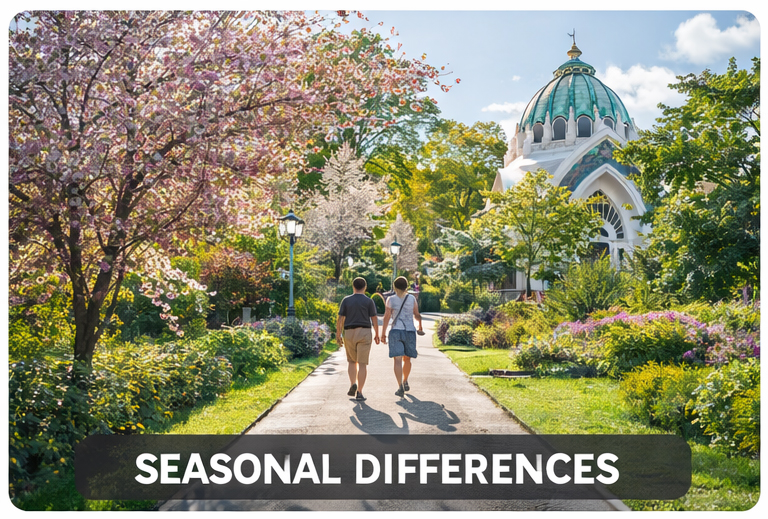
    Budapest Zoo park during spring season

    Budapest Zoo is open throughout the year, but the atmosphere changes dramatically with the seasons. Weather conditions, animal activity levels, and visitor numbers vary significantly depending on when you visit.

    Spring (March–May) is often considered one of the best seasons to visit Budapest Zoo. Temperatures are mild and comfortable for walking, usually ranging between 12–22°C (54–72°F). After the colder winter months many animals become more active, and the entire park feels vibrant as trees and gardens begin to bloom.

    Summer (June–August) is the busiest period. School holidays bring families and international tourists, and temperatures can rise above 30°C (86°F). While the zoo is fully open and lively, both animals and visitors may slow down during midday heat.

    Autumn (September–November) offers beautiful scenery and fewer tourists. The zoo’s historic park area becomes especially picturesque as leaves change colors. Early autumn provides a very similar climate to spring, making it another excellent time for comfortable visits.

    Winter (December–February) is the quietest season. While some animals may stay indoors more frequently, indoor houses such as the Palm House remain open and enjoyable. Winter visits feel calm and uncrowded, which many travelers appreciate.

    Weekday vs Weekend

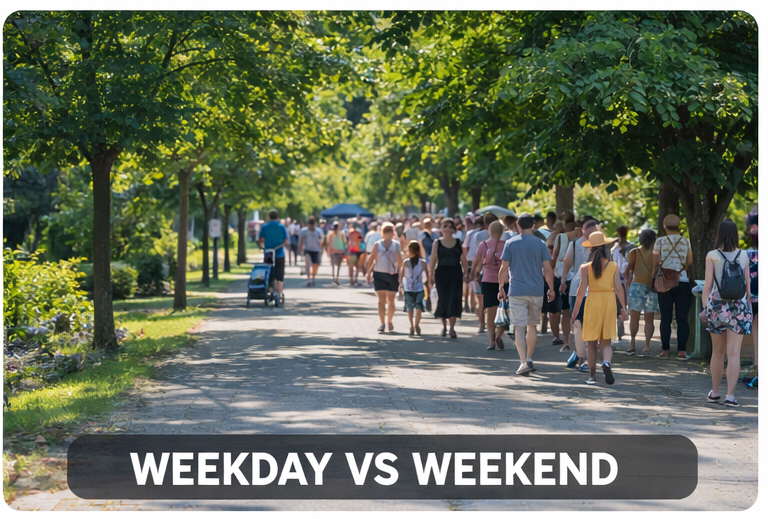
    Visitors walking around Budapest Zoo pathways

    Choosing the right day of the week can make a noticeable difference in your overall experience at Budapest Zoo. Weekday visits tend to feel much more relaxed compared to weekends.

    Weekdays generally offer the most comfortable experience. Lines are shorter, popular animal enclosures are less crowded, and walking through the park feels calmer. If you want space for photography and a more peaceful atmosphere, weekdays are ideal.

    Weekends attract more local families and tourists. The zoo becomes livelier and more energetic, but popular exhibits may become crowded. Waiting times for food stands and restrooms may also increase.

    If possible, visiting early on a weekday morning is often considered the best time to visit Budapest Zoo for a relaxed and enjoyable experience.

    Animal Activity

    Animals active in their enclosure at Budapest Zoo

    Another important factor when deciding when to visit Budapest Zoo is animal activity. Many visitors want to see animals moving, playing, or interacting rather than resting.

    In most cases, animals are more active during the morning hours shortly after the zoo opens. Temperatures are cooler, and animals are often exploring their enclosures or interacting with keepers.

    During very hot summer days, activity can slow down between noon and mid-afternoon. Many animals rest in shaded areas during this time.

    Different species also have different activity patterns. Big cats often move more during the morning or late afternoon, while primates may remain active throughout the day. Reptiles and tropical species inside indoor houses remain active regardless of outdoor weather conditions.

    Feeding Times

    Animal feeding time at Budapest Zoo

    Feeding sessions are often the most exciting moments during a zoo visit. Animals become more active and visible when food is involved, making these times especially interesting for visitors.

    Many feeding sessions at Budapest Zoo typically take place between 10:00 AM and 2:00 PM, although exact times may vary depending on the season and animal care routines.

    Sea lion feedings are particularly popular because they include demonstrations of animal behavior and interaction with keepers. Penguin feedings are also a favorite among families.

    If you would like to see feeding sessions, it is a good idea to check the daily schedule at the zoo entrance or on the official website. Planning your route around these times can make your visit much more memorable.

    Ultimately, the best time to visit Budapest Zoo depends on your priorities. Spring and early autumn offer comfortable weather and active animals, summer provides a lively atmosphere with longer opening hours, and winter allows for peaceful exploration with fewer crowds. By planning ahead and considering season, day of the week, and feeding schedules, you can choose the perfect time for an enjoyable zoo experience.

    Taxi in Budapest – What Tourists Should Know Before Getting In

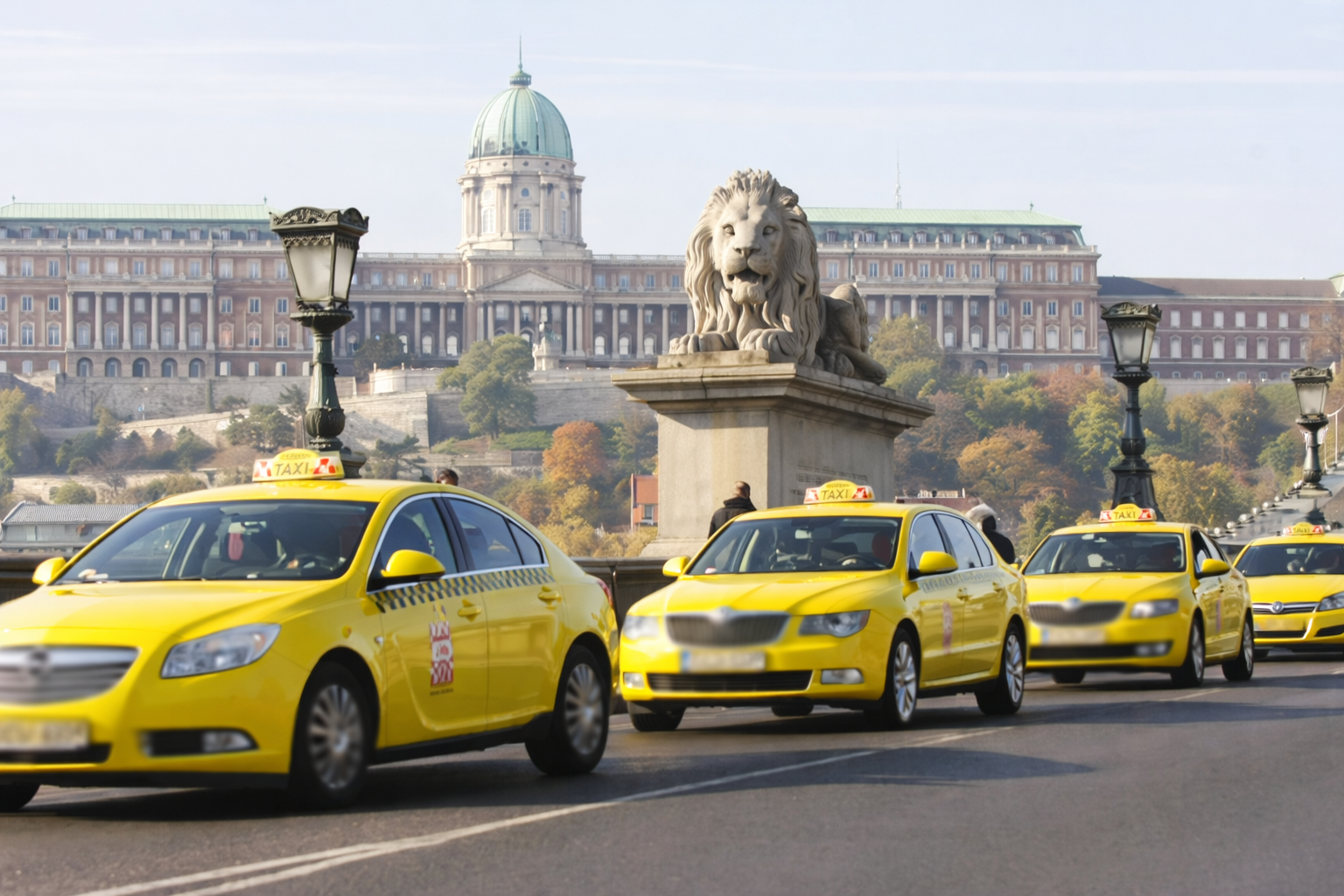
    Official taxis in budapest

    Using a taxi in Budapest can be simple and safe — but only if you know what to look for. While the city has regulated fares and reliable taxi companies, there are still occasional taxi scams targeting tourists. This guide explains both the positive and negative sides, including official taxi companies, pricing, apps, and common mistakes to avoid.

    Are Taxis in Budapest Safe?

    Yes — if you use licensed, official taxis.

    Budapest has regulated taxi fares set by the city, and legitimate companies operate with fixed pricing. However, like in many major tourist destinations, so-called “taxi hyenas” (unofficial or unethical drivers) sometimes target visitors, especially near:

    • Train stations
    • Airports (if not pre-booked)
    • Busy nightlife areas
    • Major tourist hotspots

    The key difference is simple: official taxi companies follow fixed city tariffs, while scam drivers often overcharge or manipulate routes.

    [row]

    [col span__sm=”12″ padding=”10px 20px 10px 20px” bg_color=”rgba(244, 147, 109, 0.273)” bg_radius=”12″]

    Important! If you purchase a 72-hour Budapest Card, a taxi (miniBUD) will take you from the airport to your accommodation for free, and you can also use public transportation in Budapest free of charge.

    [/col]
    [col span__sm=”12″]

    Official Taxi Companies vs “Taxi Hyenas”

    [row_inner col_style=”solid” padding=”20px 20px 20px 20px”]

    [col_inner span=”6″ span__sm=”12″]

    Official, Contracted Taxi Companies

    Reputable Budapest taxi companies:

    • Use yellow vehicles
    • Display company branding clearly
    • Have a visible tariff chart on the window
    • Use a functioning taximeter
    • Provide receipts
    • Accept card payments (in most cases)

    These companies operate under city regulations. Prices are transparent and standardized.

    [/col_inner]
    [col_inner span=”6″ span__sm=”12″]

    [featured_box img_width=”50″ pos=”center”]

    Taxi “Hyenas” (Scam Drivers)

    These drivers may:

    • Wait near tourist-heavy zones
    • Offer rides without using a meter
    • Claim “the meter is broken”
    • Quote inflated flat prices
    • Take unnecessarily long routes

    They often approach tourists proactively. If someone waves you over aggressively or avoids turning on the meter, it’s a red flag.

    Golden rule: If it doesn’t look official, don’t get in.

    [/featured_box]

    [/col_inner]

    [/row_inner]

    [/col]

    [/row]
    [row]

    [col span__sm=”12″]

    [ux_image id=”3346″]

    [/col]

    [/row]
    [row]

    [col span=”8″ span__sm=”12″]

    Taxi Prices in Budapest (Official Rates)

    Budapest has fixed taxi pricing set by the municipality. While small adjustments can occur over time, the structure generally includes:

    • Base fee (when the ride starts)
    • Per-kilometer rate
    • Per-minute waiting fee

    Airport transfers to the city center usually cost significantly more than short city rides, but still follow regulated pricing when booked through official providers.

    Compared to many Western European capitals, Budapest taxis are moderately priced — not extremely cheap, but reasonable for tourists from the UK, US, or Germany.

    Our Recommendation:

    As locals, we recommend choosing either Uber or Bolt taxis. Both companies have mobile apps where you can transparently see the estimated cost of your ride in advance.

    • Uber Taxi
    • Bolt Taxi

    [/col]
    [col span=”4″ span__sm=”12″]

    [ux_image id=”3358″ image_size=”medium_large” lightbox=”true” lightbox_image_size=”medium_large”]

    Disclaimer: The prices shown are valid for the first half of 2026 (H1 2026) and may be subject to change thereafter.

    [/col]
    [col span__sm=”12″]

    Should You Use Taxi Apps in Budapest?

    Yes — this is often the safest and easiest option.

    Taxi apps allow you to:

    • See the estimated price
    • Track the route
    • Avoid language barriers
    • Pay by card
    • Have ride documentation

    Using an app greatly reduces the risk of overcharging. It also eliminates the need to negotiate or explain your destination in detail.

    For airport pickups or late-night rides, pre-booking through an app or official dispatch service is highly recommended.

    Here are the official taxi apps we recommend:

    [/col]

    [/row]
    [row]

    [col span=”7″ span__sm=”12″]

    [ux_stack distribute=”around” align=”center”]

    [ux_text]

    Uber app:

    [/ux_text]
    [button text=”Ios app” radius=”10″ link=”https://apps.apple.com/us/app/uber-request-a-ride/id368677368″ rel=”nofollow noopener”]

    [button text=”Adnroid app” radius=”10″ link=”https://play.google.com/store/apps/details?id=com.ubercab&hl=en_GB” rel=”nofollow noopener”]

    [/ux_stack]
    [gap]

    [ux_stack distribute=”around” align=”center”]

    [ux_text]

    Bolt app:

    [/ux_text]
    [button text=”Ios app” radius=”10″ link=”https://apps.apple.com/sr/app/bolt-request-a-ride/id675033630″ rel=”nofollow noopener”]

    [button text=”Adnroid app” radius=”10″ link=”https://play.google.com/store/apps/details?id=ee.mtakso.client&hl=en_GB” rel=”nofollow noopener”]

    [/ux_stack]

    [/col]
    [col span__sm=”12″]

    Taxi at Budapest Airport – What to Know

    At the airport, there is an official taxi partner operating from a dedicated booth outside the terminal. This is the safest way to get a taxi from the airport without pre-booking.

    Avoid:

    • Drivers approaching you inside the terminal
    • Offers of “cheap private taxi”
    • Cash-only flat price deals

    Official airport taxis operate on regulated tariffs and provide receipts.

    Paying for a Taxi in Budapest

    Most licensed taxis accept:

    • Credit and debit cards
    • Cash (Hungarian Forint preferred)

    Some may accept euros, but the exchange rate is usually unfavorable. Paying in forint is always safer.

    Always check that:

    • The meter is running
    • The price matches the display
    • You receive a receipt

    When Is It Better to Avoid Taxis?

    Budapest has excellent public transportation. In many cases, metro, tram, or bus may be:

    • Faster during rush hour
    • Much cheaper
    • More predictable in heavy traffic

    Taxis are most useful:

    • Late at night
    • For airport transfers
    • When traveling with luggage
    • If mobility is limited

    Practical Tips to Avoid Taxi Problems

    • Never accept rides from unofficial drivers
    • Use apps or call licensed companies
    • Check that the taxi is yellow and branded
    • Ensure the meter starts at the official base fare
    • Avoid discussing “special price” deals

    If something feels off, simply walk away.

    [/col]

    [/row]
    [row style=”collapse” h_align=”center” padding=”15px 15px 15px 15px”]

    [col span=”11″ span__sm=”12″]

    [ux_text text_align=”center”]

    Frequently Asked Questions about Taxis in Budapest

    [/ux_text]
    [accordion auto_open=”true” faq_schema=”true”]

    [accordion-item title=”Are taxis expensive in Budapest?” class=”title-faq-ac tab-faq-ac”]

    [row_inner style=”collapse” padding=”10px 10px 10px 10px”]

    [col_inner span__sm=”12″ margin=”-35px 0px 0px 0px”]

    No, Budapest taxis are regulated and moderately priced compared to Western Europe. They are not extremely cheap, but fair when using licensed providers.

    [/col_inner]

    [/row_inner]

    [/accordion-item]
    [accordion-item title=”Is Uber available in Budapest?” class=”title-faq-ac tab-faq-ac”]

    [row_inner style=”collapse” padding=”10px 10px 10px 10px”]

    [col_inner span__sm=”12″ margin=”-35px 0px 0px 0px”]

    Uber operates in Budapest, but not in the same way as in many other countries. It works under the same regulations and fixed city tariffs as traditional taxi companies, meaning prices are not cheaper than regular licensed taxis. In practice, Uber functions similarly to a taxi dispatch app rather than a discount ride-sharing service.

    [/col_inner]

    [/row_inner]

    [/accordion-item]
    [accordion-item title=”Can I pay by card in Budapest taxis?” class=”title-faq-ac tab-faq-ac”]

    [row_inner style=”collapse” padding=”10px 10px 10px 10px”]

    [col_inner span__sm=”12″ margin=”-35px 0px 0px 0px”]

    Yes, most official taxis accept card payments. However, it’s still wise to confirm before the ride starts.

    [/col_inner]

    [/row_inner]

    [/accordion-item]
    [accordion-item title=”Are taxi scams common in Budapest?” class=”title-faq-ac tab-faq-ac”]

    [row_inner style=”collapse” padding=”10px 10px 10px 10px”]

    [col_inner span__sm=”12″ margin=”-35px 0px 0px 0px”]

    They are not widespread, but they do exist, especially near tourist hotspots and nightlife areas. Using official taxis or apps virtually eliminates the risk.

    [/col_inner]

    [/row_inner]

    [/accordion-item]
    [accordion-item title=”What is the safest way to get a taxi from Budapest Airport?” class=”title-faq-ac tab-faq-ac”]

    [row_inner style=”collapse” padding=”10px 10px 10px 10px”]

    [col_inner span__sm=”12″ margin=”-35px 0px 0px 0px”]

    Use the official taxi booth outside the terminal or pre-book through a licensed taxi app. Avoid drivers approaching you inside the airport offering private rides.

    [/col_inner]

    [/row_inner]

    [/accordion-item]
    [accordion-item title=”Should I tip taxi drivers in Budapest?” class=”title-faq-ac tab-faq-ac”]

    [row_inner style=”collapse” padding=”10px 10px 10px 10px”]

    [col_inner span__sm=”12″ margin=”-35px 0px 0px 0px”]

    Tipping is customary but not mandatory. Most locals round up the fare or add around 5–10% if the service was satisfactory.

    [/col_inner]

    [/row_inner]

    [/accordion-item]
    [accordion-item title=”What should I do if I feel overcharged?” class=”title-faq-ac tab-faq-ac”]

    [row_inner style=”collapse” padding=”10px 10px 10px 10px”]

    [col_inner span__sm=”12″ margin=”-35px 0px 0px 0px”]

    Always ask for a receipt, as it includes the taxi’s identification details. If you believe you were overcharged, you can report the issue to the taxi company or local consumer protection authorities.

    [/col_inner]

    [/row_inner]

    [/accordion-item]
    [accordion-item title=”Is free taxi included with the Budapest Card?” class=”title-faq-ac tab-faq-ac”]

    [row_inner style=”collapse” padding=”10px 10px 10px 10px”]

    [col_inner span__sm=”12″ margin=”-35px 0px 0px 0px”]

    Free taxi service is not included with most Budapest Card types. However, if you purchase a 72-hour Budapest Card, it includes one complimentary airport transfer by taxi from Budapest Ferenc Liszt International Airport to your accommodation within the city.

    For everyday travel within Budapest, the Budapest Card provides unlimited public transportation, including metro, buses, trams, and trolleybuses, which is usually the most convenient way to get around the city. Taxi rides within the city are not covered by the card and must be paid separately

    [/col_inner]

    [/row_inner]

    [/accordion-item]

    [/accordion]

    [/col]

    [/row]

    Széchenyi Thermal Bath Accessibility & Visitor Facilities

    Széchenyi Thermal Bath Accessibility & Visitor Facilities

    Before committing to a visit, many travelers ask a very practical question: will Széchenyi Thermal Bath actually be comfortable for me? This is especially relevant for visitors with limited mobility, older travelers, families prioritizing convenience, or anyone who simply prefers well-organized facilities over uncertainty.

    This guide focuses on accessibility and on-site facilities, offering a realistic and transparent overview. The goal is not to overpromise, but to help you decide whether Széchenyi Bath can be managed smoothly and what choices make the experience easier.

    Is Széchenyi Thermal Bath Wheelchair Accessible?

    Széchenyi Thermal Bath offers partial accessibility, but it is important to be clear: it is not fully wheelchair accessible in every area. The complex is historic, and while adaptations exist, some limitations remain.

    The main entrances are generally step-free or equipped with ramps, making initial access manageable. Certain outdoor pool areas are easier to navigate thanks to wider walkways and level surfaces. However, not all indoor sections are equally accessible, and some pools may require navigating steps.

    • Step-free or ramp access at main entrances
    • Outdoor pools generally easier to reach than indoor ones
    • Limited access to some indoor thermal pools
    • Not all areas connected by elevators

    Because accessibility conditions can vary by area and crowd level, visitors often consult the main Széchenyi Thermal Bath guide for broader context before deciding.

    Changing Rooms, Lockers & Cabins

    Changing facilities play a major role in overall comfort, especially for older visitors or those who prefer more privacy and space.

    Széchenyi uses an electronic locker system for standard tickets. Lockers are located in shared changing areas and are suitable for visitors comfortable with a more public setup.

    Private cabins offer a more comfortable alternative. They provide extra space, seating, and a lockable private area, which many visitors with mobility concerns or families find significantly easier to manage.

    • Lockers: functional, shared changing rooms
    • Cabins: more space, privacy, and seating
    • Cabins often preferred by older or comfort-focused visitors

    Detailed explanations of locker and cabin options are covered in the tickets and prices guide, which helps match facility choice with personal comfort needs.

    Toilets, Showers & Hygiene Facilities

    Hygiene facilities at Széchenyi Bath are extensive and distributed throughout the complex, though some areas may require walking between sections.

    Showers are mandatory before entering pools and are clearly marked near changing areas and pool entrances. Cleanliness standards are generally high, but peak hours can mean busier shower zones.

    Toilets are available in multiple locations across the bath. Visitors planning a longer stay may want to take note of nearby facilities once inside, as the complex layout is large.

    Food, Drinks & Rest Areas

    Széchenyi Thermal Bath includes basic food and drink options suitable for short breaks during your visit. Cafés and buffet-style counters offer simple refreshments rather than full meals.

    Seating areas are available, allowing visitors to rest between pool sessions. These spaces are particularly valuable for older travelers or anyone who needs regular breaks.

    For longer visits, some travelers prefer exiting the bath briefly to eat nearby, then returning if their ticket allows. Planning this in advance can prevent fatigue.

    Tips for Older Visitors or Those with Limited Mobility

    This group often benefits the most from thoughtful planning. A few strategic choices can greatly improve comfort and enjoyment.

    • Arrive early in the morning or later in the evening to avoid crowds
    • Focus on outdoor pools, which are easier to access and navigate
    • Choose a private cabin for more space and less stress
    • Plan for a shorter visit rather than an extended stay

    Many older visitors find that two to three hours is ideal. Guidance on pacing can be found in the how long to stay at Széchenyi Bath article, which helps avoid overexertion.

    Crowd levels also strongly affect comfort. Consulting the best time to visit Széchenyi Bath guide can make a noticeable difference for visitors sensitive to noise or congestion.

    Overall, Széchenyi Thermal Bath can be manageable and enjoyable for comfort-focused travelers — as long as expectations are realistic and planning is intentional. Understanding the facility layout, choosing the right options, and timing your visit carefully are key to a smooth experience.

    Need Help?
    This site is registered on wpml.org as a development site. Switch to a production site key to remove this banner.